
Restorative Dentistry
Root Canal Therapy in Adelaide
Patient-Centred Care to Save Your Natural Tooth
Root canal therapy (endodontic treatment) preserves a tooth whose nerve has become infected, compromised or is no longer viable. Left untreated, infection can spread beyond the tooth, causing pain, swelling and more complex problems. Causes include deep decay, trauma, cracks or structural damage, although sometimes the source isn’t immediately clear.
Every case is approached with advanced diagnostic technology and meticulous planning. High-resolution imaging, enhanced magnification and modern instruments support precise cleaning, shaping and disinfection of the canal system, protecting surrounding tissue and supporting predictable outcomes.

 25+Years dental experience
- 1–4 visitsDepending on complexity
- High successWith a proper restoration
- Children tooPulp therapy when appropriate
Common Symptoms You May Experience
If you notice any of these symptoms, contact us promptly. Early assessment helps stop infection progressing and supports better outcomes. Some patients have no symptoms at all.
Pain & swelling
Persistent or throbbing discomfort, localised swelling or pressure around the tooth or gum.
Lingering sensitivity
Sensitivity to hot or cold that continues after the stimulus is removed.
Tenderness when chewing
Pain when biting or when the tooth is pressed, suggesting inflammation around the root.
Discolouration
A tooth that looks darker or greyish may have an unhealthy nerve.
Pus or drainage
A pimple-like bump on the gum or an unpleasant taste can signal active infection.
Tender lymph nodes
Swollen or tender glands in the jaw or neck when infection spreads.
What the Procedure Involves
Root canal therapy is typically completed over one to four visits, depending on the number of canals, the level of infection and whether medication is placed between visits.
- 1
Assessment & Diagnosis
We examine the tooth and review X-rays to decide whether root canal therapy or extraction is the better long-term option.
- 2
Anaesthesia & Access
Local anaesthetic keeps you comfortable while a small opening is made into the pulp chamber.
- 3
Cleaning & Shaping
Infected or inflamed tissue is removed, and the canals are cleaned, shaped and disinfected. An antibacterial dressing may be placed.
- 4
Sealing the Canals
The canals are filled with gutta-percha, a biocompatible material that minimises the risk of reinfection.
- 5
Final Restoration
A protective filling is placed, and a crown is usually recommended to strengthen the tooth and reduce the risk of fracture.
Root Canal vs Extraction
In most cases, saving your natural tooth is preferable: it maintains chewing function, bite stability and the natural appearance of your smile.
Benefits of saving the tooth
- Keeps normal chewing function
- Maintains bite stability
- Preserves your natural smile
- High success rate with a proper restoration
Extraction may be considered when
- The tooth is too damaged to restore
- There isn’t enough tooth structure left
- Infection is severe or recurrent
- The long-term prognosis is poor
If extraction is recommended, we’ll discuss replacement options such as implants, bridges or dentures.
Why Choose Dental Excellence for Root Canal Treatment?
- 01
Experience & Care
Our dentists have a special interest and advanced training in endodontics, delivering a highly technical procedure with precision and gentle, supportive care.
- 02
One-Stop Dental Care
Comprehensive dentistry under one roof, with 3D cone-beam imaging when required for accurate diagnosis and planning.
- 03
Flexible Payment Plans
Several payment plan options let you begin treatment now and pay over time.
Root Canal Therapy FAQs
Is root canal therapy painful?
The tooth is thoroughly numbed before treatment, and the procedure is designed to relieve pain, not cause it. Most patients feel pressure rather than discomfort. Mild tenderness for a few days afterwards is common and usually managed with over-the-counter pain relief. The reputation for pain generally reflects the infection before treatment.
How do I know if I need a root canal?
Signs include persistent or throbbing pain, lingering sensitivity to hot or cold, pain when chewing, swelling or a gum bump, discolouration, pus or an unpleasant taste. An examination and X-ray are needed to confirm.
Is it better to extract the tooth?
In most cases, saving the natural tooth is preferable. Extraction is considered when the tooth can’t be restored or the prognosis is poor, and we’ll discuss replacement options if so.
Do you perform root canal therapy on children?
Yes. Root canal therapy or pulp therapy can be performed on children when appropriate, depending on age, tooth development and the extent of infection.
How much does root canal treatment cost?
Costs depend on the number of canals, the severity of infection and the complexity of the case. We offer a no-pressure assessment and flexible payment options across all treatments.
Related Treatments
View all treatmentsCrowns & Bridges
High-quality crowns and bridges that rebuild natural aesthetics, enhance bite harmony and elevate overall smile confidence.
Learn more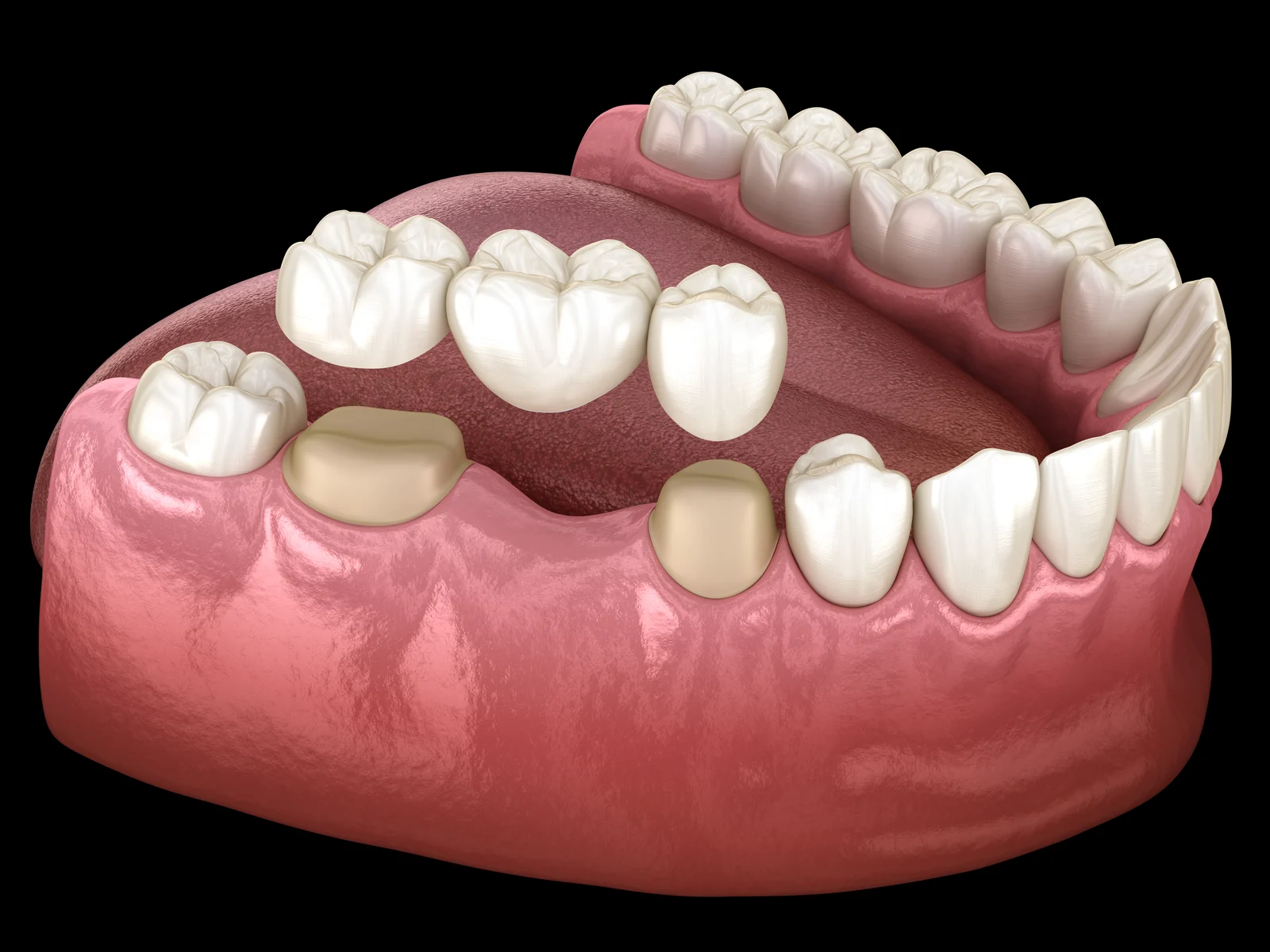
Dental Implants
Complete range of dental implant solutions for long-term tooth replacement, delivered by our team of highly experienced dentists.
Learn more

Book your consultation
Think you might need a root canal?
Book an appointment with our experienced team today. Start with a comprehensive new patient exam, and we’ll talk you through whether root canal therapy could be right for you.
New patient specials
$199 New Patient OfferComprehensive exam, Digital X-rays (if required), Discuss your treatment options $299 New Patient Starter PackComprehensive exam, Digital X-rays (if required), Intra-oral images*New patients only. X-rays only where clinically required. T&Cs apply.
Product Partners


All Health Funds Welcome


Payment Options


